





Commitment to Safety
Safety as a Core Value
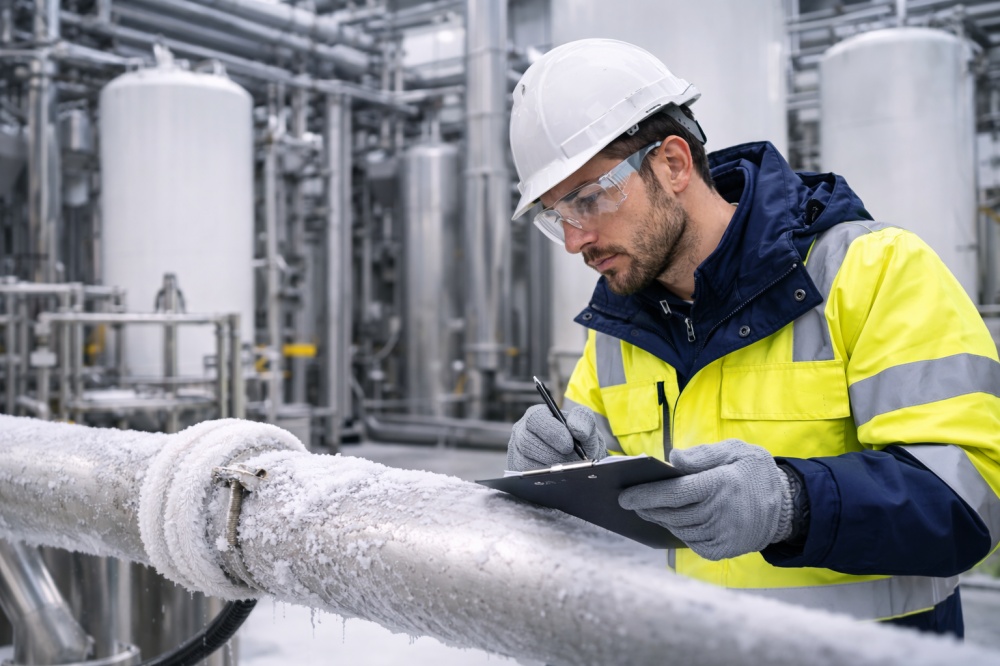
Safety is not just a guideline — it is central to every cryogenic system CSM supplies. All products are designed, maintained, and operated with safety as the top priority.
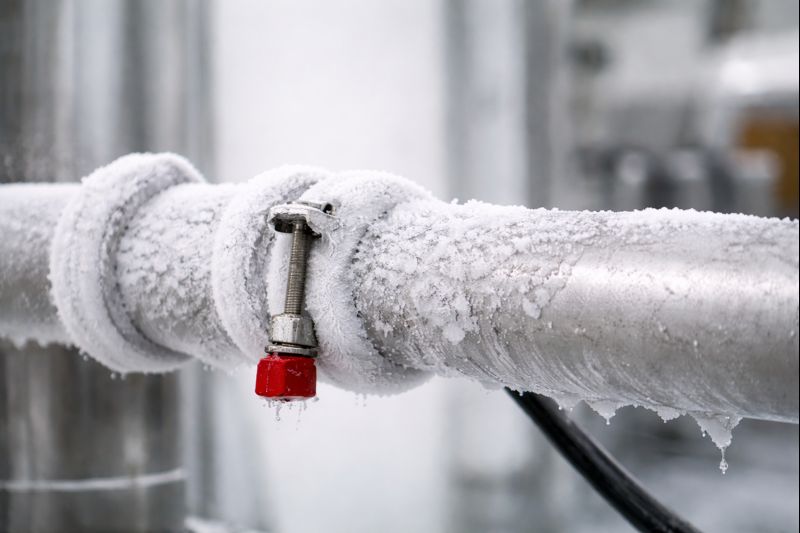
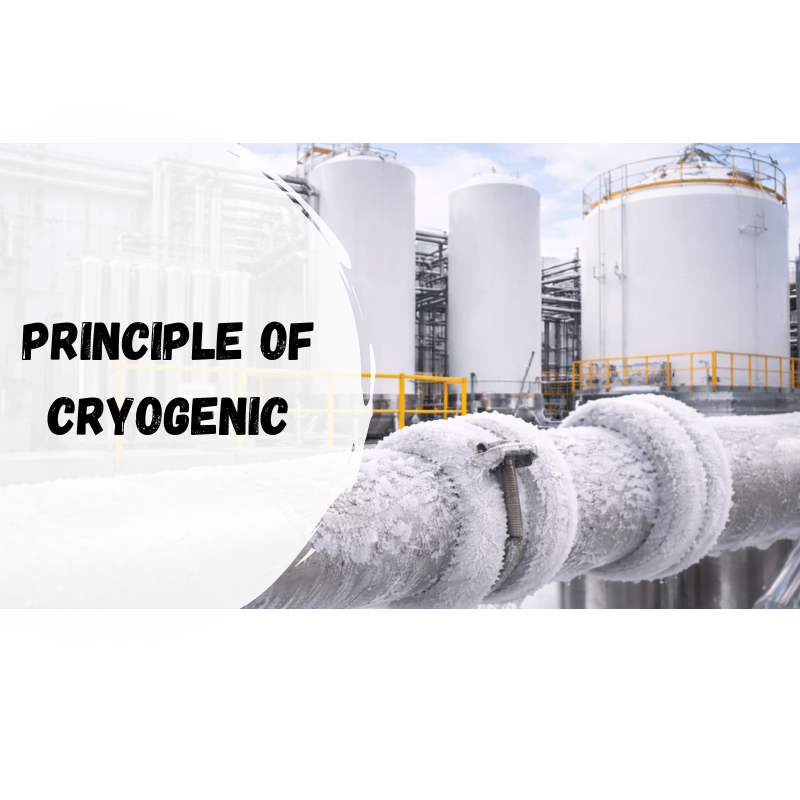
Figure 1: Ice formation on cryogenic system piping
Safety in the Lifecycle of a Cryogenic System
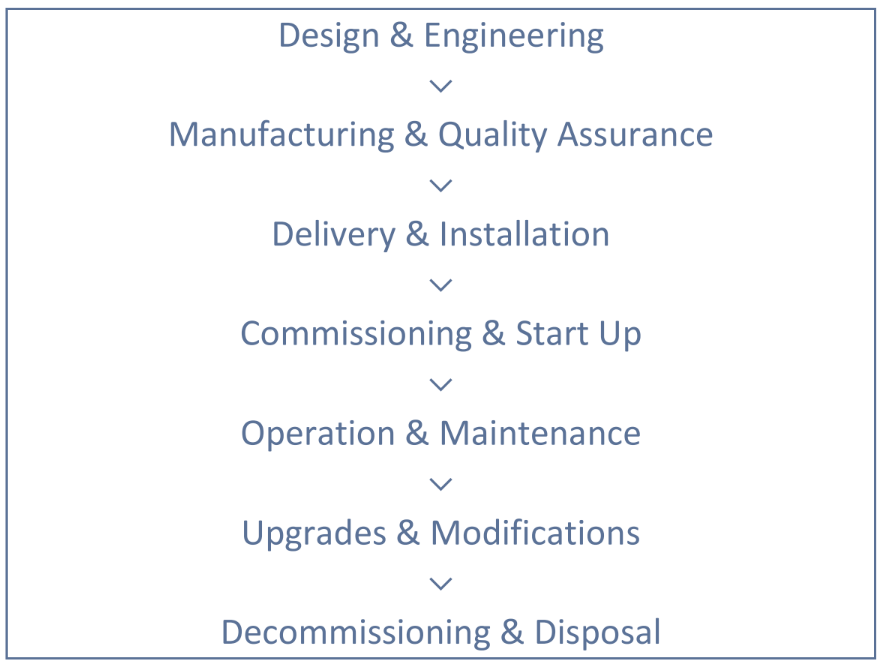
Cryogenic systems supplied by CSM follow a carefully managed lifecycle, designed to ensure safety, performance, and reliability from initial design to decommissioning. Each phase involves CSM’s guidance and support to help customers operate safely and efficiently.
Key Hazard & Precautions
This section provides a quick-reference overview of the main hazards associated with cryogenic systems and the corresponding precautions that must be followed. It is intended to give operators and personnel immediate awareness of critical safety considerations before handling, operating, or maintaining cryogenic equipment.
| Lifecycle Phase | CSM Role | Key Controls | Customer Assurance |
|---|---|---|---|
| Design & Engineering | Develop system designs according to GMP principles, customer specifications, and cryogen characteristics |
| Systems are designed to minimize operational risk and ensure consistent performance |
| Manufacturing & Quality Assurance | Fabricate cryogenic systems under controlled manufacturing conditions adhering to GMP standards |
| High-quality, factory-tested systems ready for safe installation and compliant with regulatory requirements |
| Delivery & Installation | Ensure safe transport, handling, and installation of systems at the customer site |
| Systems arrive and are installed safely, preserving operational integrity |
| Commissioning & Start-Up | Support controlled commissioning to verify system performance and safety compliance |
| Systems operate safely and in accordance with design specifications from the outset |
| Operation & Maintenance | Provide operational guidance and maintenance protocols in line with GMP standards |
| Operational safety, reliability, and traceability are maintained throughout system service life |
| Upgrades & Modifications | Advise and support any system modifications or capacity upgrades |
| Enhancements are implemented without compromising safety or system integrity |
| Decommissioning & Disposal | Provide guidance for safe system shutdown and environmentally responsible disposal |
| Minimizes risk to personnel and environment, ensuring regulatory compliance at end-of life |
| Hazard | Precaution |
|---|---|
| Cryogen residue | Purge all systems thoroughly before maintenance or disassembly |
| Energized system | Verify mechanical and electrical connections before operation |
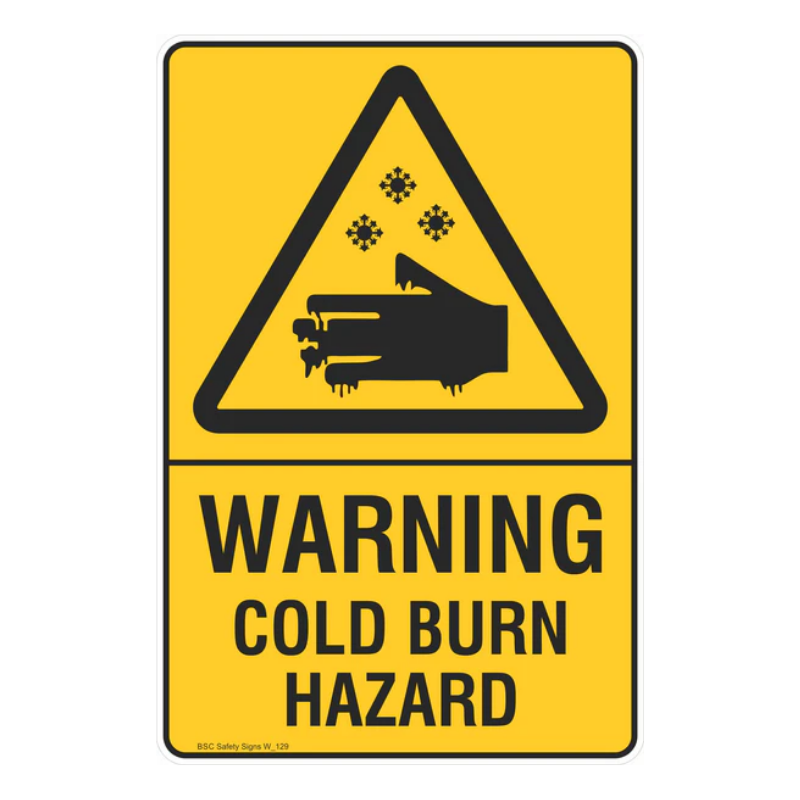
| Cold Burns | Use insulated gloves, face shields, protective footwear |
| Oxygen Depletion | Operate in well-ventilated areas; monitor oxygen levels |
| Pressure Build-Up | Depressurize system before maintenance |
| Emergency Situations | Be familiar with emergency venting and shutdown procedures |
| Regulatory Compliance | Be familiar with emergency venting and shutdown procedures |